
Outer Rite II · The Open Path
Discern the Truth
15 minutes · paper and a quiet place
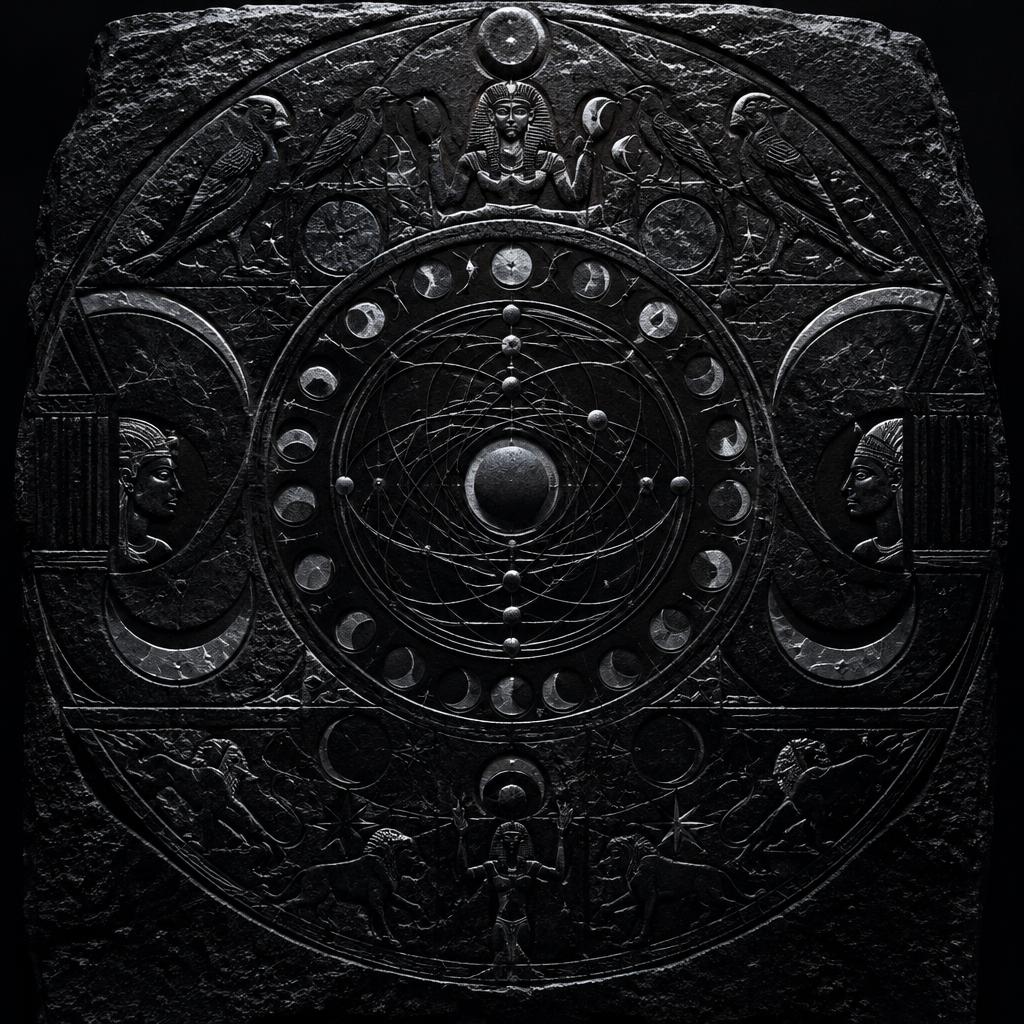
The architect of self distinguishes observation from belief. Ancient knowledge can inspire inquiry, but inherited claims still deserve examination. Ask what supports a conclusion, what could challenge it, and whether pride is standing where curiosity should be. Discernment is a practice of humility, not a claim to possess every answer.
The Practice
Choose one belief or habitual reaction. Separate what you know from what you assume, and consider another explanation.
- 1
Choose a modest belief you can examine safely: an interpretation of a conversation, a claim you read, or a habit you regard as necessary. Avoid turning the exercise into a judgement of someone else.
- 2
Divide a page into three columns: what I observed, what I inferred, and what I do not know. Place each part of the belief where it belongs.
- 3
Write the strongest reasonable alternative explanation. Ask what evidence would favour it, and what evidence would change your original view.
- 4
Choose one small check: consult a reliable source, ask a respectful question, or observe again. If the evidence remains incomplete, leave the conclusion open.
The Reflection
Which assumption will you question, and how might you examine it?
- Which part of the belief is directly supported?
- What might challenge it?
- Can you hold uncertainty without replacing it with certainty?
Your written passage is saved privately after you join. Nothing written in the rite is shared without your choice and consent.
Before repeating a claim, pause to name its source and your degree of confidence. Humility is part of discernment.
The Outer Rite